When you work closely with dogs every day you start to notice the little signals they give us through body language. Dogs talk to us all the time without saying a word and one of the most important signals is the whites in a dog’s eyes, also called whale eye in dogs. Learning to read these signs helps you keep dogs safe, happy, and relaxed during walks or training sessions. Recognising whale eye in dogs can prevent misunderstandings and enhance safety.
What Is Whale Eye in Dogs?
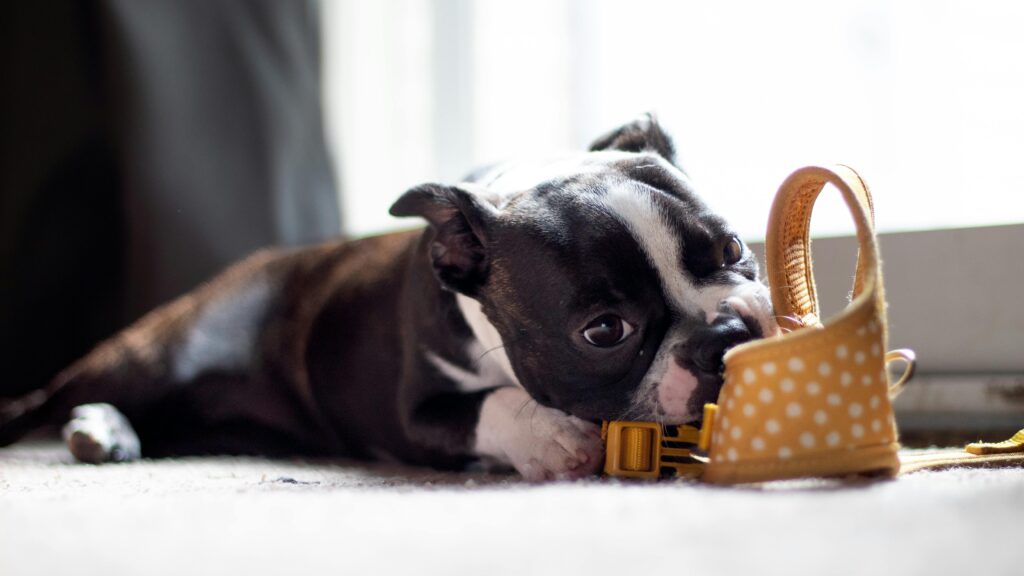
Whale eye in dogs is when you can clearly see the white part of a dog’s eyes. It usually shows when the dog turns its head away but keeps its eyes locked on something that is worrying them. This is a key stress signal and it is a warning sign that the dog feels uncomfortable or unsure.
It’s important to be aware that whale eye in dogs can indicate various emotional states, and recognising this behaviour is key to effective communication with your pet.
As a dog walker in Cheltenham, I frequently encounter the phenomenon of whale eye in dogs, especially with anxious or new dogs.
Whale eye in dogs can also indicate a need for space and understanding. If you observe this behaviour, it’s crucial to respond appropriately.
In understanding whale eye in dogs, it’s critical to observe their overall body language to grasp their emotional state fully.
For example, when I encounter a dog showing whale eye in dogs, I ensure I give them adequate room to feel at ease.
Moreover, whale eye in dogs is often accompanied by other signs of stress, which should not be overlooked.
As a dog walker in Cheltenham I see this body language fairly often especially with nervous dogs or dogs that are new to a walking routine. It is not something to ignore because it shows the dog needs space reassurance or a change in the situation.
Being aware of whale eye in dogs can help prevent misunderstandings during interactions with other animals or people.
Understanding whale eye in dogs can help dog owners better manage interactions and prevent conflicts.
Understanding whale eye in dogs is essential for creating a peaceful atmosphere, especially in crowded environments.
When dogs display whale eye in dogs, it is often a sign that they require a more comfortable environment.
To effectively manage situations where whale eye in dogs is displayed, it’s beneficial to have strategies in place to ensure their comfort.
Why Do Dogs Show the Whites of Their Eyes?
Dogs show whale eye for a few reasons. Some of the most common include:
1. Stress or Anxiety
If a dog feels overwhelmed they will show the whites of their eyes. This might happen in busy parks during loud noises or when unfamiliar dogs approach.
Dogs can exhibit whale eye in dogs when they feel cornered, indicating a need for reassurance.
Recognising signs of whale eye in dogs is essential for ensuring their safety and comfort.
Ultimately, being aware of whale eye in dogs helps to create a safer environment for both dogs and people.
2. Guarding Food or Toys
Many dogs show whale eye when protecting something valuable. They might be saying “Stay back I am not sure about sharing this.”
3. Feeling Cornered or Pressured
If someone leans over a dog or the dog is backed into a tight space they can show whale eye to communicate discomfort.
4. Uncertainty in Social Situations
Dogs who are unsure about another dog or person often use their eyes to show worry before they choose to back away bark or growl.
Other Body Language to Watch For
Whale eye is just one part of a bigger picture. When trying to understand what a dog is feeling look at the whole body. Key signs include:
- Tucked tail
- Stiff body posture
- Pinned back ears
- Yawning when not tired
- Lip licking
- Avoiding eye contact
Seeing these signals together means the dog needs space or a calmer environment.
What You Should Do When You See Whale Eye
If you notice the whites in a dog’s eyes the best thing you can do is help them feel safe. Here are simple steps:
Being proactive in recognising whale eye in dogs can lead to more positive experiences for both the dog and the owner.
As a responsible dog owner or walker, it’s vital to consider the implications of whale eye in dogs on their behaviour and well-being.
- Create more space between the dog and whatever is worrying them
- Speak calmly and avoid leaning over them
- Offer a gentle redirect with a treat or praise
- Move to a quieter area if you are in a busy spot
- Give them time to settle
Understanding this small detail can prevent bigger problems like growling snapping or panic.
Why Body Language Matters for Dog Walkers and Owners
Good dog body language awareness builds trust and confidence. When dogs feel understood they relax more during walks and are more likely to enjoy new places and new experiences. This is especially important for rescue dogs or anxious dogs who rely on you to help them feel secure.
As a dog walker in Cheltenham I always pay attention to tiny signs like whale eye because it helps me support each dog based on their personality and comfort level.
Final Thoughts
Learning what the whites in a dog’s eyes mean is one of the most valuable skills for any dog owner or dog walker. It gives you a clear insight into how your dog is feeling and helps you respond before stress turns into fear or aggression. Dogs communicate all the time and when we take the time to understand them we strengthen the bond and make every walk safer and more enjoyable.
As a dog walker, recognising whale eye in dogs allows me to tailor my approach to each dog’s needs.
By understanding whale eye in dogs, we can foster a deeper bond and ensure a more enjoyable experience for our pets.